Be yourself; Everyone else is already taken.
— Oscar Wilde.
This is the first post on my new blog. I’m just getting this new blog going, so stay tuned for more. Subscribe below to get notified when I post new updates.
Be yourself; Everyone else is already taken.
— Oscar Wilde.
This is the first post on my new blog. I’m just getting this new blog going, so stay tuned for more. Subscribe below to get notified when I post new updates.
I spoke to Steve Hall, natural competitive bodybuilder on his views on where the sport is at currently and what can be done in future to help draw more people to the sport.
“I think the sport would be in a better place in terms of the public eye if bodybuilding shows were tested and people were natural, the popularity would increase and it would be way more appealing to the general public, perhaps it won’t be as freaky and cool to look at but it would nevertheless bring more eyes to the sport which is always a good thing.”
Bodybuilding is considered more than just a sport by many, it’s an artform, sculpting your body little by little to make the perfect physique in order to be judged well at a show. Symmetry, size, conditioning and posing are the four key components needed in order to become a champion in the sport.
Steve is only one of a large amount of bodybuilding watchers that believe in recent years the sport has gone too far on the basis that judges are no longer rewarding competitors for almost anything other than size, we are seeing an influx of competitors that are so huge in size and weight that it’s almost becoming a bad look for the sport altogether with extreme health issues another major problem for bodybuilders in the current era.
“The Mr Olympia open competitors are massive but the quality has dropped in terms of the conditioning is down with the symmetry and proportions being all off with everyone just chasing size, which I think has turned a lot of eyes away from the sport.”
Could the classic division, which is a division dedicated to your conditioning and symmetry, with aesthetics being the main forefront of what judges are looking for be the first small steps in a long road in the sport of bodybuilding towards the sport becoming more appealing to the general public.
My time with Steve Hall, both filming bits and bobs for the documentary and during the in depth interview I can confidently state that it was one of the most invigorating and professional developmentally experiences I’ve had on the sports journalism course to date. Here’s what I learned through my interactions with Steve Hall.
Steve Hall is someone I met approximately six months ago in my local gym, JD gyms Cardiff; he’s a PT but shares the same passion for bodybuilding as myself, which helped us get along and communicate pretty frequently and effortlessly. We discussed what drew him to Cardiff and made him want to PT in one of the many chats we had in the gym. He claimed to be a former British bodyboarding champion before suffering a career-ending injury. This led him to the gym as part of his rehabilitation, and he fell in love with the sport from there.
This is, of course, a very brief overview of his career, but from what I gathered, he’s travelled the world and has significant experience participating in the niche sport of bodybuilding. He also did it naturally, after hearing that it was a lightbulb moment for me. This, I reasoned, would be the ideal topic for my 30 minute in depth interview.
From a journalistic sense, I believed some of his experiences might yield a number of fascinating stories for my portfolio. We discussed all of the bodybuilding-related subjects that aren’t addressed enough and need to be brought to light. One more particular example is an illness known as body dysmorphia, which in severe cases can lead to suicide. It’s a kind of reverse anorexia, a preoccupation with becoming bigger that may create extreme levels anxiety and depression among gym goers that have the condition. This is just one of the many topics we covered in our interview.
Overall, I believe that the experience of shooting, interviewing, and spending a significant amount of time with a competitive bodybuilder only increased my interest in the sport and benefitted me greatly from a journalistic standpoint, adding excellent pieces to my portfolio.
My personal experience
March rolled along after my first month or so of working with prost, and I was starting to get a lot busier managing assessments and my dissertation around work. The prost international USW group chat began to fade and was no longer as active on a regular basis. I thought I should explain to Steve Clare and Chris Stonage why I wasn’t writing as frequently as I used to. They were so kind and understanding of everyone’s schedules, and that dissertations were prioritised by myself and others, that I took a break from writing for prost. When April rolled around, I was right back into things, however this time instead of sending my pieces to Chris through email, I had my own log in information for the wordpress website and was writing my stuff there instead. Only now did I have to understand the authors guide, which was a challenge in itself, but I quickly overcame it and continued to work for prost. It was also exciting to step outside of my comfort zone and cover a variety of sports that I had never covered previously.
The feedback I received and my responses to it
For starters, now that I was making posts on the general chat, which has a far higher proportion of prost authors, I was receiving more critical feedback, which I appreciated. Not from Steve or Chris, but from prost editors. My feedback was now huge paragraphs on how I needed to learn the writers guide, but my writing was good enough that an editor granted me accreditation to cover rugby games after seeing one of my rugby pieces. This was a huge compliment because it was my first-time covering rugby league, and he believed my knowledge of the game and the data I included were excellent. Although I graciously declined, he provided me with valuable insight about covering new sports and breaking out of your comfort zone. I discovered that you don’t have to be a fan of something to write about it. Anyway, my reaction to all of this was, of course, to study the writers guide, which was a bit difficult at first, but then to continue producing pieces, even ones that I felt uncomfortable with. Ones that truly motivated me to spend more time researching the issue and gathering data and statistics to include. This simply boosted my confidence and, I believe, made me a better journalist overall.
The skills I learnt and further developed
I think it goes without saying that while on placement with prost, I learned a lot of skills such as communication, teamwork, writing, and time management, to mention a few. However, I believe the new qualities I learned were those of writing about sports that I had never covered before. Although I’m not sure what the exact term for this ability is, I do know that it is a skill to be more versatile as a journalist and to be able to extend out of your comfort zone and cover areas you may have never even considered covering before. It helped me discover you don’t need to pursue one avenue, there are so many options with whatever you want to cover with prost and you aren’t tied down to one thing, even if you think that’s the best sport that you write about.
My personal experience
After completing my last 8-week internship with the FAW Trust before Christmas, I returned for my second term eager to get more work experience hours. After sending out a few emails, I was chosen along with a few other of my fellow sports journalism USW course mates. To begin, I was asked to write about something so that they could get a sense of how I wrote before providing me with a username and password for my prost wordpress login.
I chose to do a match preview for the club world cup final between my favourite team Chelsea, and Palmeiras. Soon Chris Stonage and Steve Clare who were both supervising the placement got back to me saying they liked my piece and they were happy to have me on board. In the following weeks I went on to write stories varying from player features to news pieces, I was starting to get into the groove of writing for prost and on a weekly basis also which I think was great for my work ethic and to keep me focused.
The feedback I received and my responses to it
I’ve always found that encouragement and praise work for me. Whether it’s football, university study, or any other hobby. In this situation, the response was really positive. Every article I put out was met with appreciation from Steve and Chris, which further boosted my confidence and fueled my desire to impress. I soon stopped waiting for things to be allocated to me and began taking the initiative on my own, offering story ideas and running them by my supervisors. Overall, the initial response was positive, and I was delighted to continue writing for them.
The skills I learnt and further developed
One thing that was interesting about this placement was that it was entirely done online, but not via Zoom or email. We used an app called Slack on our phones for all communication, which helped me further develop my team building skills because there were always chats going on daily about story ideas or tasks being assigned, so there was always some form of consistent communication throughout the placement, which I really liked because it always kept you on track with the work you needed to do. It goes without saying that it helped enhance my writing because I was writing on a range of various topics and in varying lengths, so it wasn’t always the same.
My final weeks on placement
After writing my first few pieces for Gareth Rogers and the FAW trust, I was getting back up to speed with my writing skills, which I had believed I needed to brush up on before returning to university for my final year. In my last weeks of placement, my most memorable piece of work was my refereeing story with Nana Baah, a Welsh football league icon turned coach and, more recently, a referee. It was apparent to me Gareth was keen for me to get a story out on the experience of refereeing at a lower league level with the struggles of abuse on the side-line etc. Actually, before I wrote this story I had my first bit of disappointment on my placement because I wasn’t able to complete a task Gareth presented me with. Gareth suggested that I interview some referees who were either USW students or graduates of the FAW refereeing course. The goal was to acquire a detailed article on why they took the course and how they like officiating. However, none of the students I contacted responded, so I simply viewed this as a hurdle that I couldn’t get over, and instead of thinking of alternative solutions, I gave up and asked Gareth for other things I could do instead. In hind sight, I should have taken the initiative and found out when these students were refereeing so I could go to the sports park and interview them in person. But, in the end, I got a pretty good refereeing piece with Nana, so it wasn’t all bad.
The feedback I received and my responses to it
Fortunately, Gareth approved of my work on refereeing, and his response to me sending it over was “Super stuff mate.” However, the piece was never published on the website, and I was never given a reason why, maybe because it dealt with delicate subjects such as racism, BME referees, and abuse. My solution was to keep my head down and keep producing stories for Gareth and my own website, even if they don’t get published, because either way it’s still helping me develop my writing talents.
The skills I learnt or further developed
Writing around sensitive themes was definitely a skill I learned while writing this piece, and I believe I handled it well to avoid any problems. I think that during the placement, my communication abilities, particularly in a professional and formal setting, were enhanced, and my writing skills, of course, increased through consistency. I’d like to think that finishing this placement has made me a better all-around journalist, and it has definitely better equipped me for future endeavours.
My personal experience of what I did
Back in September, when I returned to university for my third year, I was made aware in my lectures for the module Sports portfolio 2 that 120 hours of work would need to be completed by May 9, whether in person at the workplace or online in the forms of remote working, which I have since become accustomed to due to the challenges that have come with covid-19 in the last few years. After considering what kind of placements, I wanted to pursue, I contacted Gareth Rogers, whom I was previously acquainted with and had done some work with in second year. I was pleased to learn that Gareth could provide me an 8-week placement, with him overseeing it with the chance for some of my work being featured on the FAW Trust website. I was a little concerned about starting the placement since I hadn’t written for someone in a while and felt I was out of practise. However, I was assigned to do an interview with Neil Taylor, a Welsh international and former Premier League footballer. I was given free rein to write the piece in whatever style I wanted and for as long I desired, which I believe Gareth did really well, especially since it was my first piece. He could see what I was capable of when I was allowed to do what I wanted with something. I ended up producing a 6–700-word quotes piece at first, but I subsequently converted it to a longer winded piece that was more readable, and once it was published on the FAW website, I was really quite proud of that accomplishment.
The feedback I received and my responses to it
I always appreciate constructive criticism on how I can improve the current piece I’m working on or what I should remember to do in the future to avoid running into the same problems. “I’ve had a go with this, mostly to put it in our style, but I wonder if you could do a bit more research on Neil Taylor and turn it into a nice long-read,” Gareth said. Attempt 1,000 words, be creative, and let me know how it goes.” My response was, of course, to take another look at the piece and try to enhance it to the quality Gareth desired. The post ended up being a lengthier read and much improved as a consequence of solid constructive feedback from Gareth and me appropriately reacting to it.
The skills I learnt or further developed
I believe that one of the new abilities I learned while working on this essay was how to write in many styles. Obviously, each journalist has their own particular style that is unique to them, or they may follow the writing style of a company, which, again, has many styles. In this situation, I learned how to write in the FAW style, which was useful because I’d need to write in that manner for the remainder of the placement. I improved my research abilities by going out and diving more into Neil Taylor’s career, discovering stuff I didn’t know about him to add to the post and make it more engaging. I also improved my interviewing and time management abilities. Working to a schedule has always been something I’ve found difficult, so accomplishing everything on time was beneficial for me in this regard. Overall, I consider my first few weeks on placement with the FAW to be a success. I got my work published and received positive comments, which I used to improve my future work.
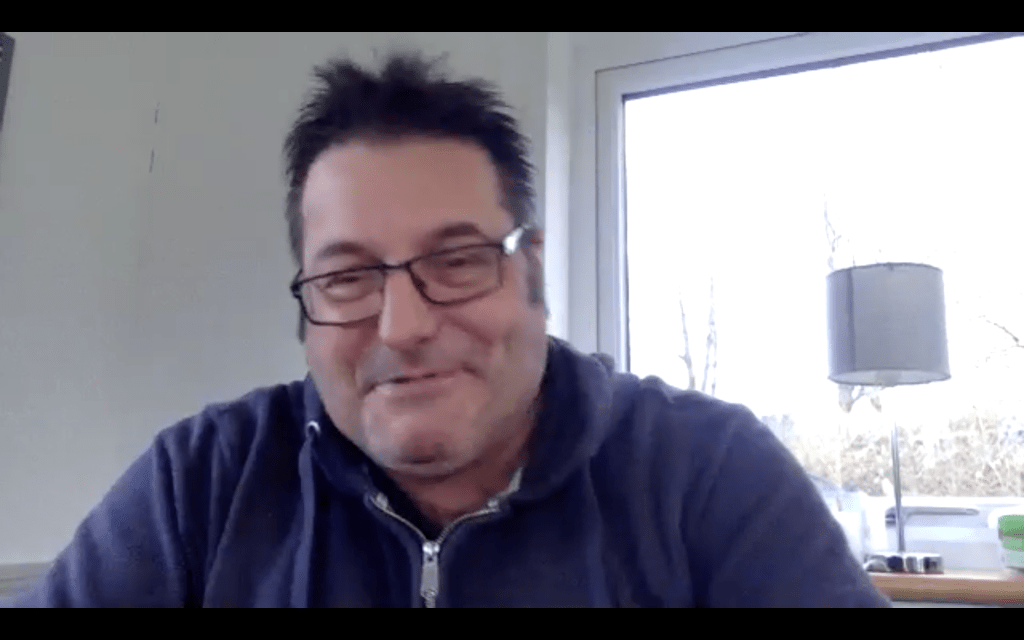
The football commentator best known for his four years in 1998-2002 as the voice of Scottish football believes the continuous stories made from the opinions of certain pundits shouldn’t be looked into too much as ‘this is just the way of the world these days.’
With 30 years of experience in commentary, working in the football league for four years alongside Chris Kamara, it’s clear to see why Crocker’s views are so upheld and respected.
Crocker stated: “A lot of what pundits say ends up on newspapers or various media sites, I don’t think I or anyone for that matter should be worried about that.”
“The fact is if you are employed as a pundit, you’ve got something to say and people are going to pick up on it and I can’t imagine any of the pundits would have an issue with it at all.”
“There’s so much space to fill on social media that I think it’s inevitable that you’ll get stories based off of what people have said rather than something big that’s happened.”
The transitional period he and many other commentators or pundits have experienced over the last 10 years or so has left many questioning the effects it’s had on the old way of doing things.
“The one drawback is I think it’s been hard for newspapers, I used to love reading them but I must admit even I’ve started buying them a lot less.”
Ian admits even he when he has time to kill before games has a scroll through twitter because to his amazement “There’s just so much stuff on there.”
“This is just where we are now and social media is massive and I think it’s great that people can mix on Twitter and Instagram.”
“Yeah, you might get a few bad replies but I think that’s all part of it, if you don’t want to be on there then don’t be on there.”
Jokingly he added: “having experienced both era’s I quite liked the way things were back in the day, but now everything’s at your finger tips and that’s just the way of the world.”
Crocker like many is just going with the times and is embracing change, which I’m sure we are going to see plenty more of in the sport’s online media world in the near future.
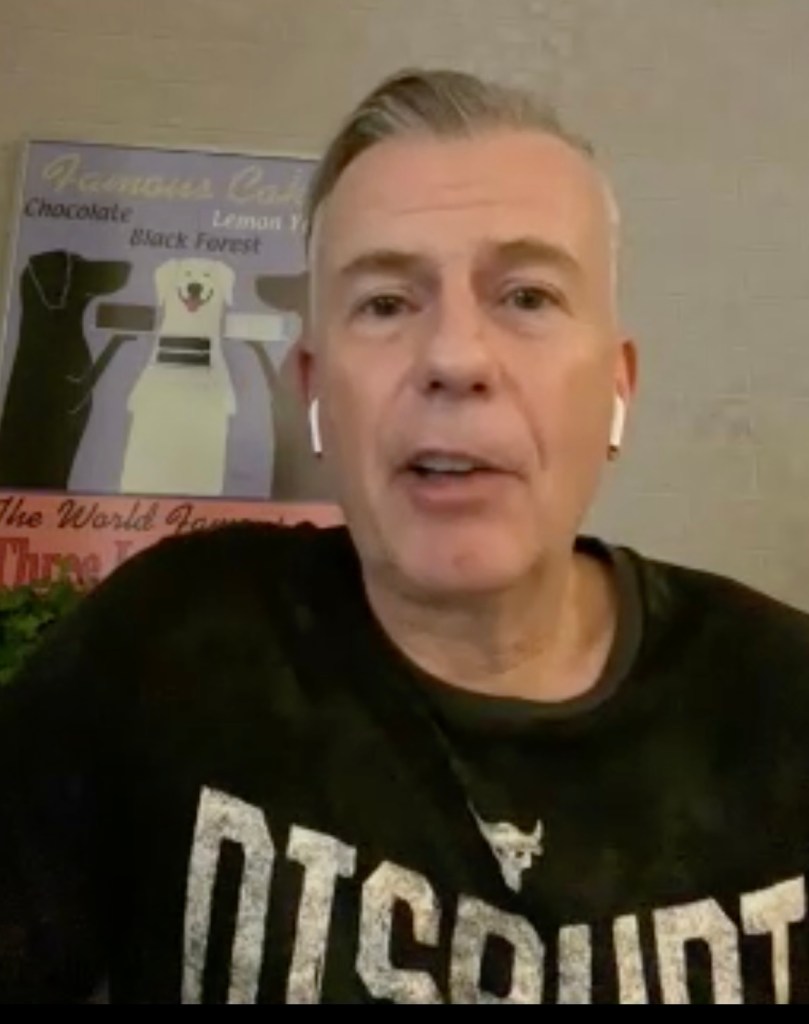
The football tv presenter based in Singapore and best known for hosting “The John Dykes show” currently available on Disney plus is particularly disappointed with the current state the online media is in.
Dykes who built his career working out in Asia working with ESPN between 1997 and 2010 believes “so much news is made off of the flimsiest of foundations.”
With years of experience in broadcasting it’s become increasingly clear to Dykes that we are in a moment of massive change in the industry and he himself has identified some of the things that are most concerning him.
“To simply report what a pundit says on television and call it a story is ludicrous.”
“It’s a sort of self-feeding cycle which a lot of the time is from someone offering an opinion that isn’t thought through, but once it’s out there it’s open to interpretation, fans will share it and it takes on a life of its own.”
“Let’s not forget the employer will have a multi-platform offering so they will say we’ll put this up on the broadcast and it’ll get picked up by the daily mail for example which in turn goes on to social media and drives traffic towards our handles.”
He added; “There is a heavy amount of manipulation in terms of certain media entity’s looking at the algorithm of what generates the most amount of engagement who then speak/make posts about it.”
Dykes, who’s worked alongside pundits such as Roy Keane, Ian Wright, and Alan Shearer questions whether the justification of this sort of behaviour is just the sheer numbers being driven in because of it.
“In the old day’s if you read the broad sheets or tabloids, you’d read the long reads.”
Currently the consumption of as many long reads is at an all-time low and in turn people are opting for a more video-based way of consuming their news.
“It’s hard to see a route back to old habits when click bait is at its highest.”
Perhaps we will see change in future, but for now John Dykes opinion stands strong in the way sports journalism is headed in the digital age.
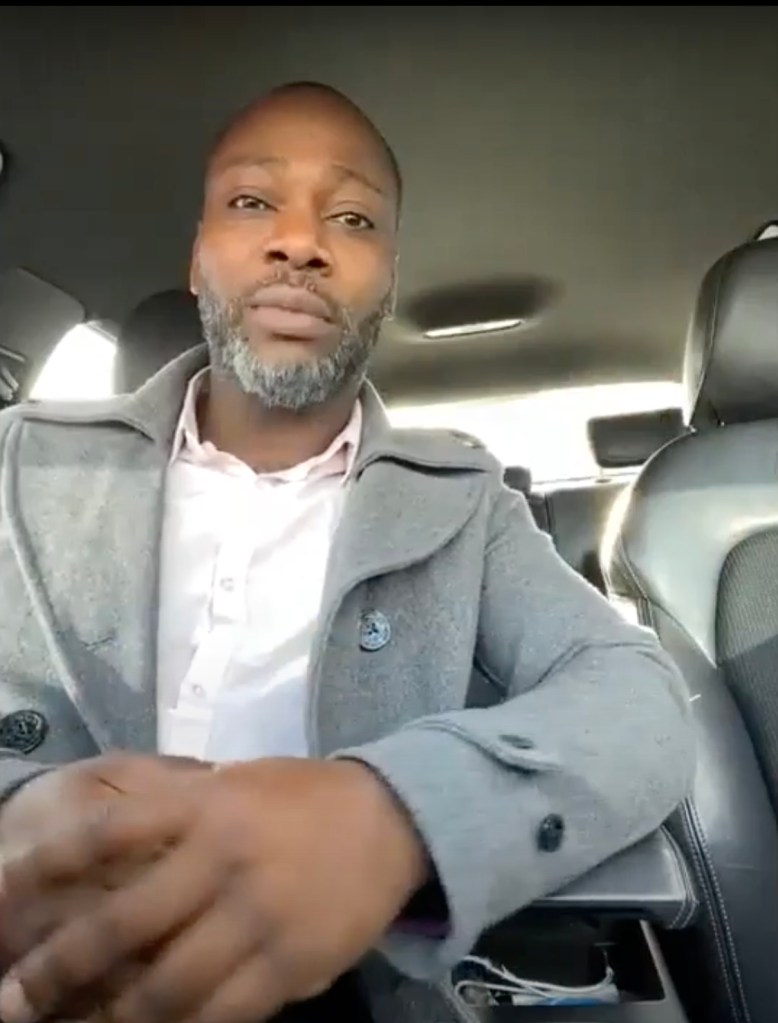
The former Ton Pentre AFC striker now turned manager has recently turned his attention to refereeing part time on Sunday’s after taking part in the South Wales Treforest based refereeing course and is loving every minute of it.
The full time P.E. teacher at Cardiff West CHS high school said: “I’m going as far as giving up my one-to-one coaching on a Sunday to officiate, that should tell you first-hand just how much I am enjoying it.”
Baah first had the idea of becoming a referee when on the side line he noticed some of the old referees from his playing career had lost that good relationship with the players and were giving ‘wrong decisions and talking to the players not right also.’
“I was asked by a colleague to referee a game and at first I was a bit apprehensive, however I ref’d the game and it was nothing like I expected, and I thoroughly enjoyed it.”
“Being a referee, you learn so much, you become a better person and get to know a variety of different people and I couldn’t encourage it more for younger people as there’s such an opportunity to go on to the bigger stage.”
Baah who moved from Ghana to the UK in 1992 strongly believes in order to tackle the problem that referees and the people wanting to go into refereeing face we need to create an environment where the referees are involved with the game and the footballing family as a whole.
“We had a referee who sat and had a pint with us after the game and that for me and the boys builds a level of respect and relationship with him.”
“I think it’s also a lot about communicating, nobody screams at a ref who is communicating with the players and manager explaining his decisions.”
However, in certain instances of physical or racial abuse Baah believes laws should be brought in to play and it should be a police matter, despite the ‘murky waters’ revolving around the subject.
Finally, the manager most known for leading Caerau Ely to the Welsh League division one title in 2015 hopes he can be a beacon for the younger generation and hopes to see an ‘influx of BAME kids who will take it forwards.’
With his popular and powerful figure, Baah is well placed to have a future in refereeing and to inspire any person from BAME backgrounds that they too can go just as far if not further in the sport.

The talented full-back, who played in the Premier League for Aston Villa and Swansea City, has completed a bespoke version of the course, in a group of his international teammates, which included Ashley Williams, Joe Allen, Joe Ledley, James Chester and Sam Vokes.
Amid the challenges of the Covid-19 pandemic, the 43-times capped international completed the challenging course and now aims to take on the FAW UEFA Pro Licence, the highest-level coach education course currently on offer.
He said: “I loved it and wanted to get it finished from the day I started.”
Despite the coronavirus hindering his plans to continue the course face to face, Neil was able to complete the course in an online setting and was able to do so earlier than expected.
“Being there with the likes of Ashley Williams and Joe Allen was great. We’ve been together a very long time, from our early Swansea days and with Wales, and we all understand football.”
“But when we first got together and were asked to draw-up a session, even though we’ve probably done about 20,000 training sessions between us, we were looking at each other as if we didn’t know what to do.”
It was a real eye opener for the ex-welsh international, with his years of experience in coaching at under 16 to junior level, he and his ex-teammates had never had their roles reversed in a training session and were given key insights into what it takes to lead a coaching session.
With his teammates and mentors alongside him, the veteran of 146 Premier League games quickly grew into the course, having started his coaching journey as a teenager at Wrexham. During the course, he’s been working with the U16 team at Aston Villa and his son’s U8 grassroots squad.
Reflecting on that journey, Taylor said: “I’ve always seen football from a coach’s point of view.”
“Sometimes that was to my detriment as a player because I spent time thinking about ways my winger could improve, or my managers’ decisions, rather than shutting up and getting on with it.”
Ambitious Taylor, who was born in Asaph and learned the game at Mynydd Isa FC, is aiming to graduate from the next FAW UEFA Pro Licence cohort.
With such passion and knowledge of the game, Taylor is well placed to make a big impact on football globally, in the coming years.

 Oscar's Blog